
The WDVX Blue Plate Special — 9/28 — Teni Rane / The Paula Boggs Band
September 28 @ 12:00 pm - 1:00 pm
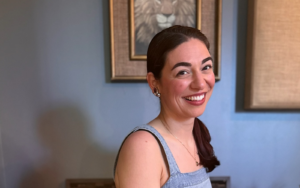
Inside of Teni Rane’s songs, you’ll likely encounter Appalachian songbirds, white oaks, and wildflower fields. These are just some of the earthly delights that surround her home in Chattanooga and dance through her music. Her debut album, Goldenrod (2024), pays tribute to her favorite native plant’s “charismatic yellow self” and highlights the ways we too can sway through the shoulder seasons of our own lives. As a songmaker, Rane likes to wade in the undertow, through the deeper currents of loneliness and longing that churn below the surface of our days. Glide Magazine raves that she’s an “up-and-coming Americana winner along the lines of Sierra Ferrell.”
Rane grew up in the American South, disconnected from her mother’s Armenian culture, heritage, and language. As she sings, “I don’t know which way to turn or how to be, there’s too much debris when identities collide.” Often feeling caught between worlds – neither fully Armenian nor totally at ease in Southern American culture – music became a compelling avenue to help make sense of her unique identity. It is no small wonder that her forthcoming album, Never Turning Back, orbits themes of kinship, homesickness, and the precarity of our human-made environments. Rane is a cartographer of the heart – capturing the many ways it breaks and breaks us open. An intense (over)thinker, her songs ask questions about what makes a home and how we discover our place in the world. The album ranges from geographical adventure narratives like “Leaving You Behind” and “Arkansas” to tracks like “As I Walk Home,” written in an existential haze at 2am about our imbalanced world.
Cat-like, Rane lives many lives. In addition to making music, she played semi-pro soccer on Gotland Island in the Baltic Sea; earned a Bachelors in chemical engineering; and teaches yoga and mindfulness. As she tracks the wooden acres and water lines around her, Rane is learning how to turn inward and listen to her own artistic calling. After an inner reckoning, she upended her carefully constructed corporate life and charted a new course into music and mindfulness – focusing on writing and recording songs that capture the high joys and deep sorrows of the human experience. Her focus-shift to songcrafting didn’t go unnoticed. Americana Highways described her first EP, Heart in Tennessee (2020), as “the mesmerizing sound of a singular talent.” A 2022 residency at Sweden’s Kneippbyn Resort Visby yielded four singles, including “Meet Me in Stockholm,” a bilingual plea from a homesick Rane to her friend to help fill solitary hours.
Goldenrod (2024) climbed to number 13 on the Folk Radio Charts and garnered critical praise. The album features Grammy-nominees Dave Eggar (cello, piano) and Phil Faconti (guitars, ukulele), alongside previous collaborator Roger Gustafsson (bass, steel guitar). Jonathan Shumaker is also featured on bass. Rane has toured nationally at venues like the Falcon Theater (Newport, KY), University of Arkansas (Fayetteville, AR) and the Lyric Theater (Lexington, KY). She also has a fondness for playing house concerts, listening rooms and botanical gardens (her favorite). After spells in Arkansas, Sweden, and Northeast Tennessee, she’s returned to her roots – the county where she was raised, where the city meets the country along the Tennessee River in Chattanooga, TN.
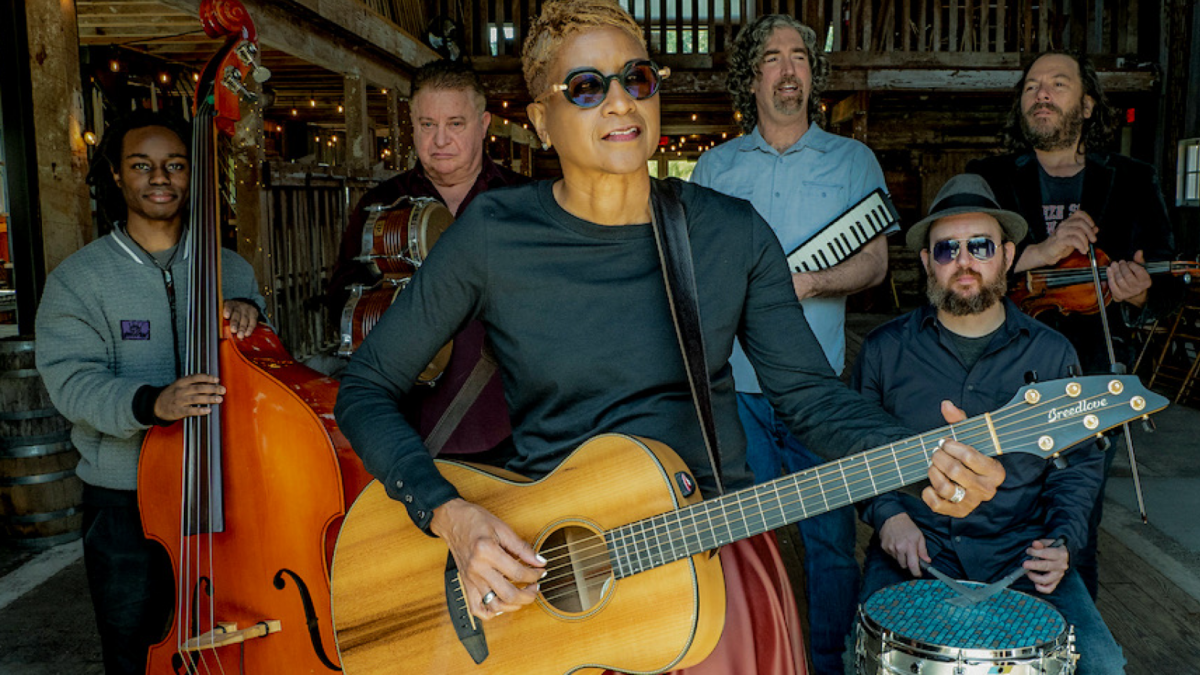
Formed in Seattle in 2007, Paula Boggs Band has spent nearly two decades walking the long American road — not chasing trends, but gathering stories. What began in the Pacific Northwest has grown into a national touring presence built on return invitations, resonant listening rooms, and songs that ask audiences to lean in a little closer.
Over the years, the band has carried its Northwest-born songwriting to stages across the US and beyond, earning repeat performances at respected venues including World Cafe Live!, Stubb’s Bar-B-Q, Rockwood Music Hall, Blueberry Hill, Genghis Cohen, The Triple Door and The Mint, along with venues throughout the San Francisco Bay Area, like Sweetwater Music Hall, and beyond. With 30–50 shows annually, they move fluidly between intimate 50-seat listening rooms and 300-capacity halls known for their acoustics — spaces where nuance matters and lyrics carry weight.
Critics have long recognized the band’s singular blend of tradition and reach. Current San Antonio observed, “This veteran Americana act boasts a range of influences from classic — James McMurtry and Bruce Springsteen— to more contemporary — Drive-By-Truckers. The group describes itself as ‘soulgrass.’ An unfamiliar tag, sure, but not to be dismissed lightly in this age of microgenres.” Phil King of AudioFuzz.com has written, “Boggs is like the Bob Dylan, the Peter, Paul and Mary, the Joan Baez of this era.” And Dave Good of the San Diego Reader noted that Boggs “makes…urban, jazzy music…within the structures of…folk, bluegrass, and…blues…she calls ‘soulgrass,’ and reminds me a little of Gil Scott-Heron, if only for the razor-intensity of her words…in a croony-rich street voice…evocative and easy to like.”
That word — “soulgrass” — hints at what sets Paula Boggs Band apart. Their music draws from the storytelling spine of Americana, the communal lift of bluegrass, the ache of the blues, and the rhythmic undercurrent of soul. It is at once rooted and urban, reflective and unflinching. The result feels less like a fusion and more like a conversation across traditions.
Their fifth studio album, “Sumatra,” widens that conversation. The record traces the intimate and the expansive: love songs shaped by hard-earned tenderness, social commentary delivered with clarity rather than cynicism, and reflections on ancestry that honor both inheritance and evolution. Sumatra carries the imprint of a band shaped by geography — Northwest skies, Southern stages, Midwestern grit, Eastern brick — and by the communities that have welcomed them back.
Onstage, Paula Boggs Band is built for rooms where listening is an act of participation. There is space in the arrangements, intention in the interplay, and the quiet authority that comes from years spent refining craft night after night. Nearly two decades in, they remain committed to the long arc — trusting that songs, honestly written and carefully carried, will continue to find their people.
“Sumatra” is not a reinvention. It is a deepening — the sound of a veteran band still curious, still courageous, and still listening for what the road has to teach next.
2025 marked a banner year of recognition: chief songwriter Paula Boggs was named one of eight NewSong Music Songwriting and Performance finalists, the band was selected as a Folk Alliance Region Midwest (FARM) official showcase artist, and songs Sumatra and Traces of You earned Intercontinental Music Awards. Traces of You was also a 2025 Song of the Year® Instrumental finalist.
Sumatra, continues to earn international recognition. In 2026, “Route 66” was named a finalist in the International Acoustic Music Awards’ Folk/Americana/Roots category, adding to the band’s growing list of honors, including Folk Alliance International chart success, Americana radio charting, and multiple InterContinental Music Awards.